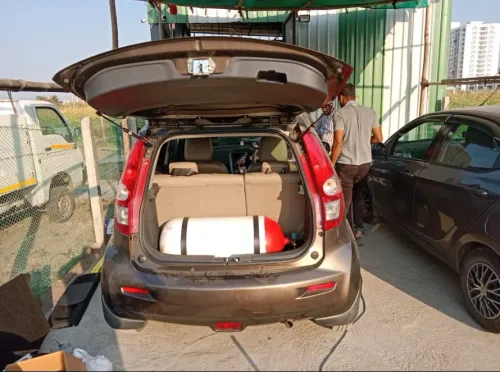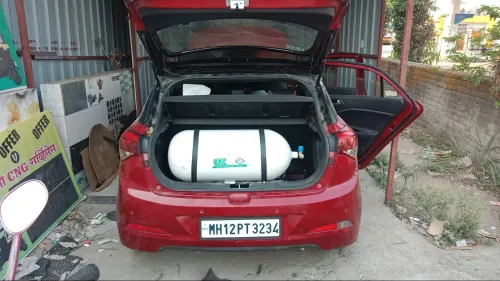
CNG vehicles have become increasingly popular across Pimpri Chinchwad and Maharashtra due to their lower running costs and cleaner emissions. However, many vehicle owners focus only on regular servicing while overlooking one of the most important safety requirements—periodic inspection at a Government Authorised CNG Testing Plant.
A CNG cylinder operates under high pressure, making regular testing essential for both safety and legal compliance. Ignoring inspection schedules can increase safety risks and may even lead to problems during vehicle registration renewals or insurance claims.
What Is a Government Authorised CNG Testing Plant?
A Government Authorised CNG Testing Plant is a certified facility permitted to inspect, test, and certify CNG cylinders according to government safety regulations. These facilities follow strict procedures designed to verify that every cylinder remains safe for continued use.
Unlike general garages, authorised testing centres use specialized equipment to assess the structural condition of the cylinder.
Why Regular Testing Is Required
Over time, every CNG cylinder experiences wear due to:
- High internal pressure
- Daily temperature variations
- Moisture exposure
- Road vibrations
- Age-related metal fatigue
Even if a vehicle appears to function normally, internal damage may not be visible from the outside.
Regular inspections help identify hidden issues before they become serious safety concerns.
What Does the Inspection Include?
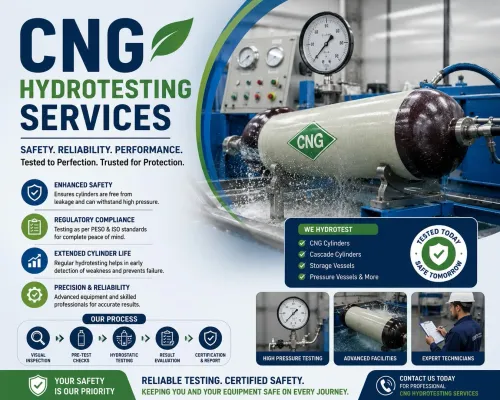
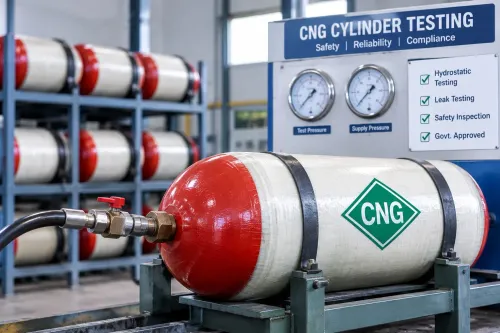
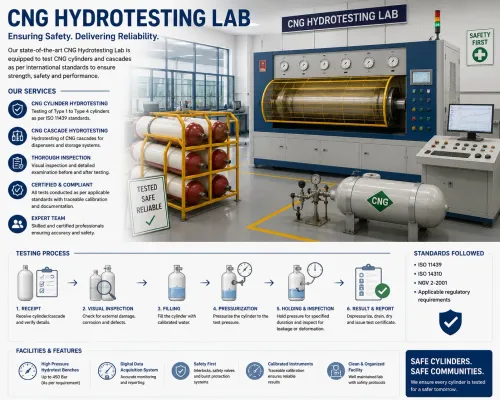
A professional testing process generally involves:
- Visual inspection
- Valve examination
- Leak detection
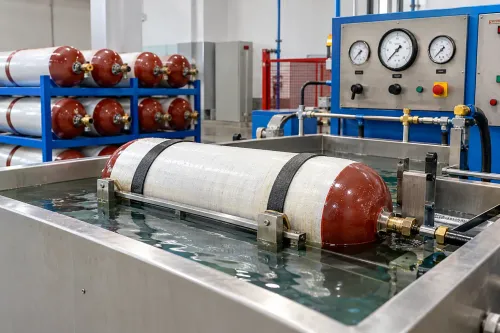
- Hydrostatic pressure testing
- Internal corrosion assessment
- Certification after successful testing
Each step is designed to confirm that the cylinder meets current safety standards.
Benefits of Choosing an Authorised Facility
Vehicle owners receive several advantages when using an approved testing centre:
- Accurate testing procedures
- Government-recognized certification
- Compliance with transport regulations
- Improved vehicle safety
- Better confidence during RTO inspections
- Professional handling of high-pressure cylinders
These benefits are particularly valuable for commercial vehicles that operate daily.
When Should a Cylinder Be Tested?
Testing intervals depend on the cylinder manufacturer and applicable regulations. In general, owners should consider testing when:
- The validity period expires.
- The vehicle has been involved in an accident.
- Rust or physical damage is visible.
- Gas leakage is suspected.
- The cylinder has remained unused for a long period.
Delaying inspection may lead to failed renewals and unnecessary expenses.
Importance for Pimpri Chinchwad Vehicle Owners
Pimpri Chinchwad has a large number of private vehicles, taxis, delivery vans, and commercial fleets using CNG. Maintaining valid certification helps drivers avoid unnecessary interruptions during inspections while ensuring passenger and road safety.
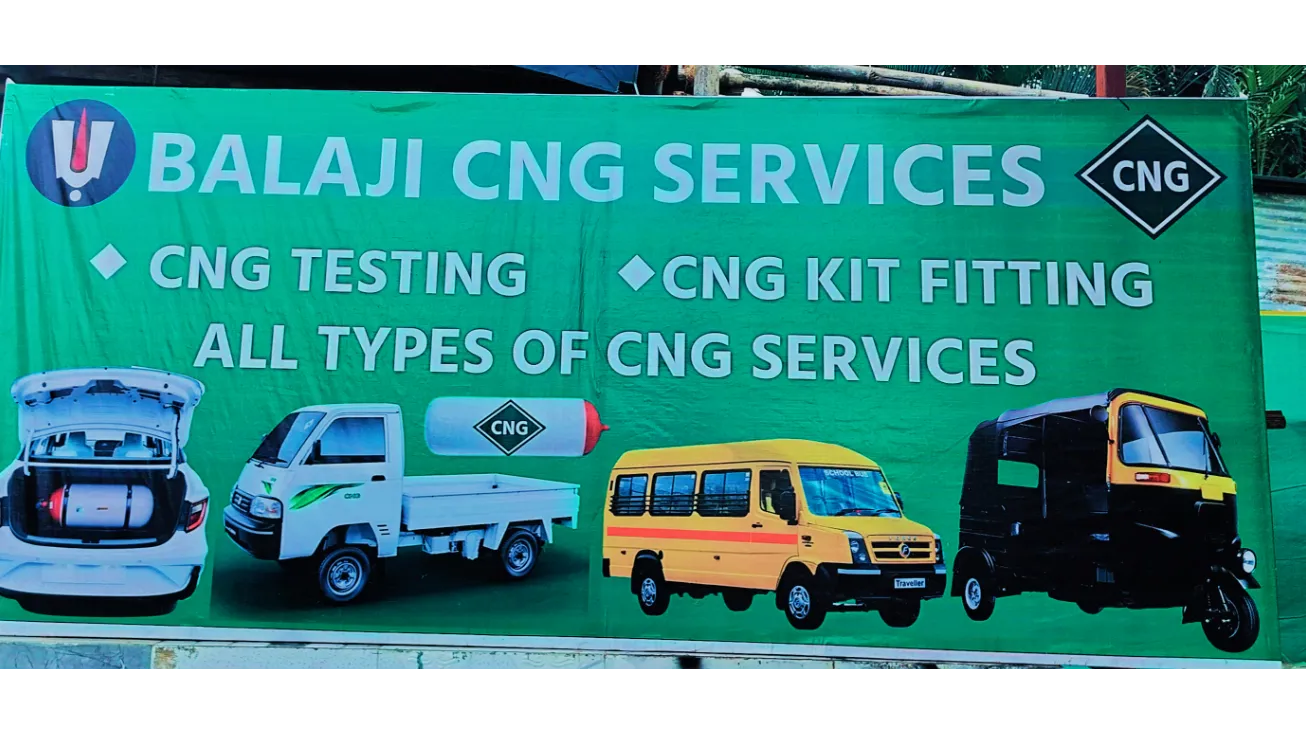
Facilities such as Balaji Hydrotesting Lab support vehicle owners by following approved testing procedures and maintaining industry standards for CNG cylinder inspection.
Regular testing is not simply a legal requirement—it is an essential part of responsible vehicle ownership. Choosing a Government Authorised CNG Testing Plant ensures that your vehicle remains safe, compliant, and ready for everyday driving across Maharashtra.
Keywords