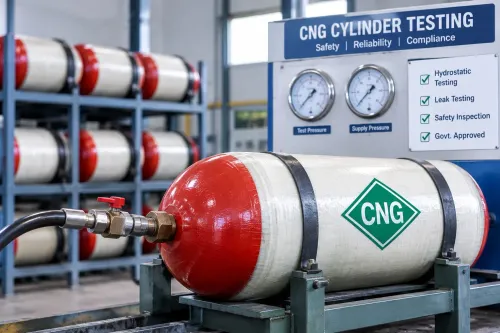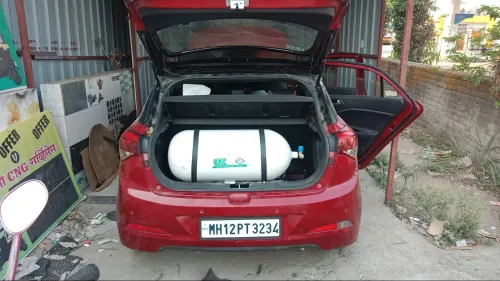
CNG cylinders are engineered to withstand high internal pressure, but like every pressure vessel, they require regular inspection throughout their service life. One of the most important procedures is CNG hydrotesting, which verifies whether the cylinder remains safe for continued use.
For vehicle owners across Pimpri Chinchwad, understanding this process helps improve both safety and legal compliance.
What Is CNG Hydrotesting?
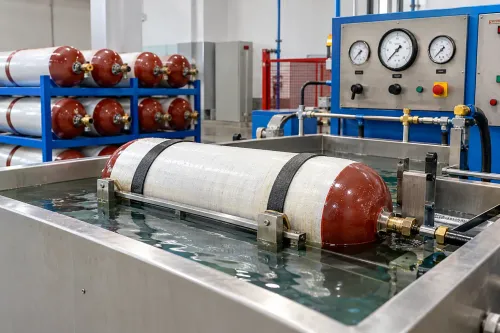
Hydrotesting is a pressure test performed using water instead of compressed gas. The cylinder is filled with water and subjected to controlled pressure to evaluate its structural integrity.
Because water is virtually incompressible, the process provides a safe and reliable method of detecting weaknesses in the cylinder.
Why Is Hydrotesting Necessary?
A cylinder experiences constant stress during normal operation.
Factors affecting its condition include:
- Internal pressure cycles
- Environmental exposure
- Metal fatigue
- Rust formation
- Accidental impacts
- Long-term usage
Hydrotesting helps identify damage that may not be visible during a routine visual inspection.
How the Process Works
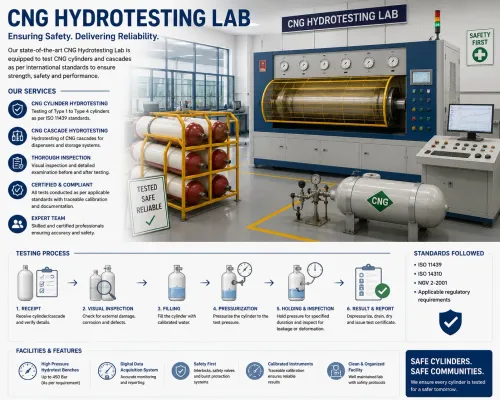
Professional hydrotesting generally includes several stages.
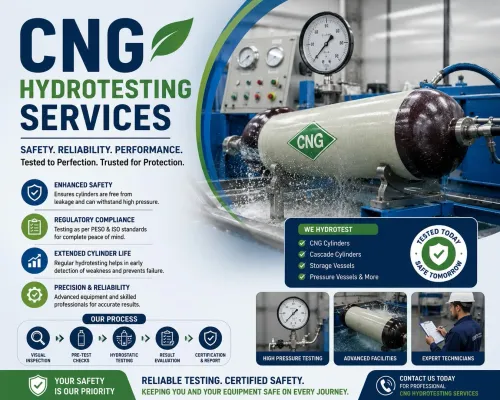
These typically involve:
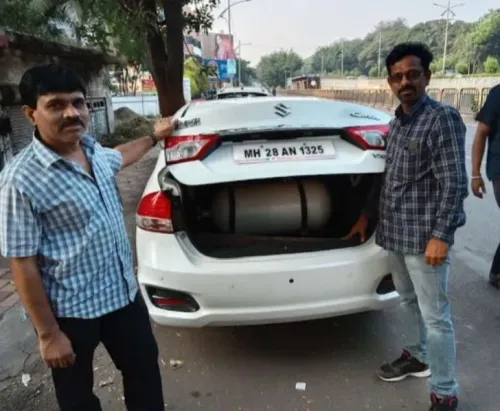
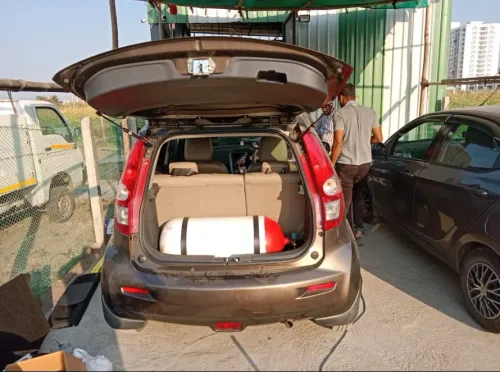
- Removing the cylinder from the vehicle
- External cleaning
- Visual inspection
- Valve removal
- Water pressure testing
- Dimensional measurements
- Drying and reassembly
- Certification if the cylinder passes inspection
Each stage contributes to confirming that the cylinder continues to meet prescribed safety standards.
Benefits of Periodic Hydrotesting
Routine testing offers several advantages:
- Improved passenger safety
- Early identification of cylinder damage
- Compliance with applicable regulations
- Reduced risk of gas leakage
- Increased confidence during vehicle inspections
Preventive testing is usually more economical than dealing with unexpected failures.
When Should Hydrotesting Be Done?
Testing schedules depend on the cylinder manufacturer and regulatory guidelines.
Vehicle owners should also consider testing if:
- Physical damage is noticed.
- The cylinder has been idle for years.
- Corrosion appears around the surface.
- Leakage is suspected.
- The validity period has expired.
Following recommended schedules helps maintain safe vehicle operation.
Selecting a Professional Testing Facility
Hydrotesting requires specialized equipment, trained technicians, and controlled testing procedures.
In Pimpri Chinchwad, facilities like Balaji Hydrotesting Lab conduct cylinder inspections using recognized testing methods that support safety and regulatory compliance.
CNG hydrotesting is much more than a routine inspection. It is an essential preventive measure that helps protect drivers, passengers, and everyone sharing the road.
Keywords