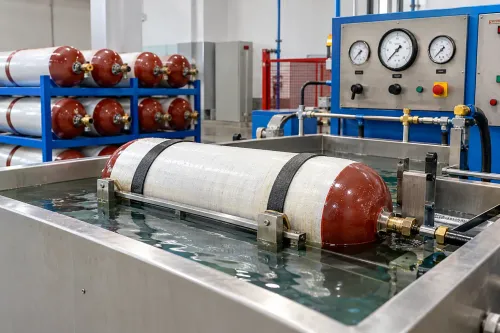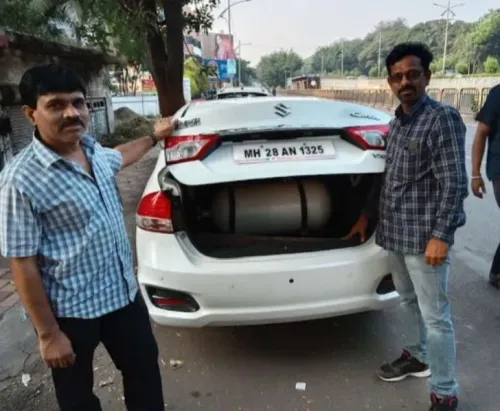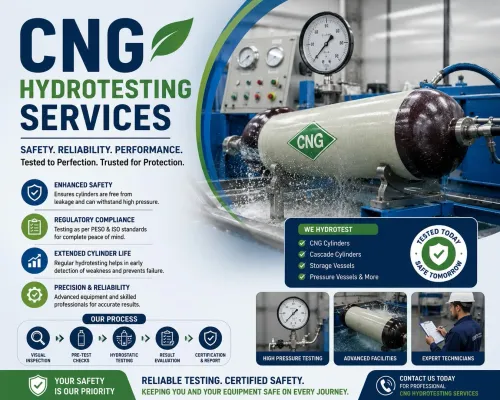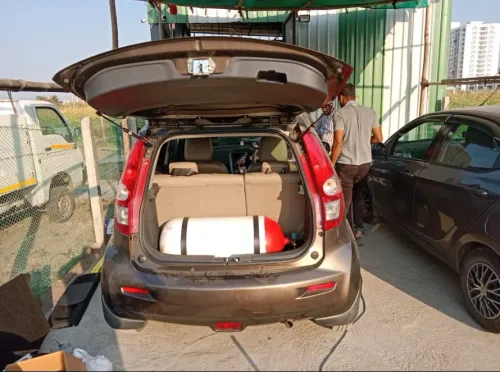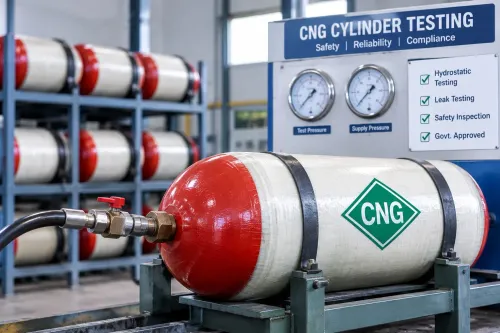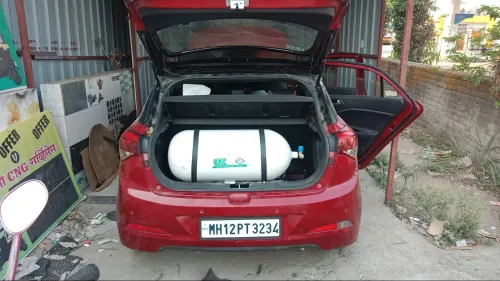
A CNG cylinder may look perfectly normal from the outside and still require periodic testing. That is why motorists searching for CNG Hydrotesting near me should understand what happens inside a proper testing process rather than treating hydrotesting as only a paperwork requirement.
Hydrotesting is used to evaluate the condition of a pressure cylinder according to applicable procedures. Because CNG is stored under high pressure, the cylinder must remain capable of safely handling the stresses associated with normal operation.
The Process Begins Before the Pressure Test
A proper test is more than filling a cylinder with water and applying pressure. The cylinder first needs to be identified and inspected.
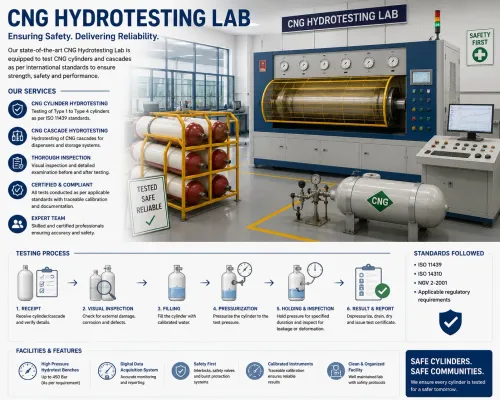
The testing process may include checking:
- Cylinder markings and identification
- Previous testing information
- External surface condition
- Signs of corrosion, dents, cuts, heat exposure, or physical damage
- Valve and associated components
- Cylinder condition under the prescribed testing procedure
The actual hydrostatic test is then performed using suitable equipment and controlled conditions.
Water is used during hydrostatic testing because the procedure is designed to evaluate the cylinder under specified pressure conditions while reducing some of the hazards associated with pressure testing using a compressible gas.
What Happens After Testing
Once the required test is completed, the results need to be assessed against the applicable acceptance criteria.
A cylinder that satisfies the requirements can proceed through the necessary post-test process. This can include drying, reassembly or associated servicing, relevant identification, documentation, and safe refitting.
If a cylinder does not meet the required criteria, vehicle owners should be told clearly what was found and what the appropriate next step is. A failed cylinder should never be represented as fit simply to avoid replacement costs.
Preparing Your Vehicle for Hydrotesting
For drivers in Pimpri Chinchwad and surrounding areas of Maharashtra, it helps to speak with the testing facility before arriving. Ask about the documents required, expected testing procedure, whether removal and refitting are handled at the same facility, and what records are provided after completion.
Also mention any known problem with the CNG system, such as unusual gas smell, visible cylinder corrosion, damaged mounting hardware, or previous repair work. Such concerns should be assessed rather than hidden until the test begins.
Balaji Hydrotesting Lab provides CNG-related testing services in Pimpri Chinchwad. Vehicle owners considering a local facility should verify the applicable authorisation, testing scope, equipment, documentation process, and charges before proceeding.
Hydrotesting is valuable because it provides a structured assessment of a component that motorists cannot adequately evaluate just by looking at it. When the work is performed correctly, the process contributes to safer and better-documented CNG vehicle ownership.
Keywords