A CNG seal leak is not always caused by a defective gaskit. You need to identify the leaking joint, isolate and depressurize the correct circuit, fit a seal made for that connection, and confirm the repair with a leak test before driving the vehicle.
Key takeaways
- Do not drive after smelling gas or hearing hissing near a CNG connection.
- Match the replacement gasket to the exact component, kit, and connection design.
- Ask for a leak inspection after replacement before using the vehicle normally.
- Check the service record, installer authorization, and leak-test result before accepting the vehicle.
What a CNG gaskit seals and why the leak location matters
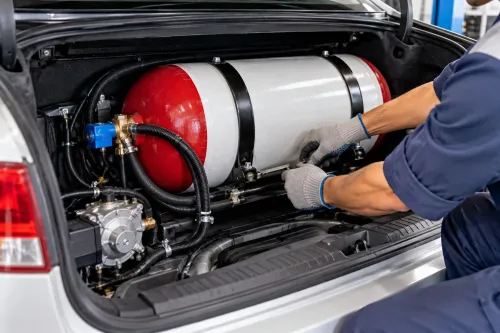
A CNG gaskit is a shaped sealing ring, washer, or gasket fitted between two joined components. It stops gas escaping under pressure. You may find one at the regulator inlet or outlet, injector rail, filling connection, manual shut-off valve, pressure-reducing assembly, tube joint, or another gas-line connection.
A leak location narrows the diagnosis, but gas at a joint does not prove the gaskit alone has failed. The actual fault could be:
- A loose or overtightened fitting
- Damaged threads or a scratched sealing face
- Pipe misalignment, vibration, heat, or contamination
- An incompatible elastomer or reused, flattened seal
- A cracked hose, damaged O-ring, regulator fault, injector-rail defect, valve fault, or cylinder connection problem
High-pressure and low-pressure sections use different sealing parts and present different risks. The high-pressure side includes connections between the cylinder, shut-off valve, filling valve, and pressure regulator; a small failure there can release gas with considerable force.
The low-pressure side feeds components such as the injector rail after pressure reduction, but it still requires the correct seal and leak test.
A new gaskit installation center for CNG seal problems must identify the exact leak point before replacing anything. Repeatedly fitting seals without checking torque, mating surfaces, alignment, and regulator pressure can leave the leak—and its cause—untreated.
Warning signs that require immediate CNG leak inspection
Treat any new CNG odour from the odorant as a leak warning, not as a normal smell after a new CNG gaskit installation. Arrange inspection immediately if you notice any of these signs:
- Hissing near a regulator, injector rail, filling connection, shut-off valve, cylinder connection, or other gas-line joint
- Frost or ice forming around a fitting
- Bubbles during an approved soap-water leak check
- Falling CNG pressure while the vehicle is parked
- Repeated alarms from a combustible-gas detector
- Difficult refuelling or a filling connection that repeatedly stops
- Rough engine running after refuelling
- A CNG or engine-management warning on the dashboard
An active high-pressure leak is not a reason to drive to a workshop. Switch off the engine, keep cigarettes, flames, electrical switches, starter motors, and other spark sources away, and move everyone to a safe distance.
Close the manual CNG shut-off valve only if you can reach it without approaching the leak or entering the hazard area.
Do not tighten the leaking joint, remove a hose, probe a cylinder connection, or use a flame to find the leak. Do not treat thread tape, liquid sealant, or a replacement gaskit as an emergency fix.
After people and the vehicle are away from danger, arrange professional assistance and tell the technician exactly where you saw or smelled the warning sign.
How to identify the correct replacement gaskit
Match the replacement to the exact joint, not merely to the vehicle. A seal for a low-pressure regulator connection is not automatically suitable for a high-pressure filling valve, cylinder-side line, or injector rail.
- Record the CNG kit manufacturer, vehicle model and engine, regulator or injector-rail model, connection diameter, thread type, gasket shape, gasket thickness, material, and original part number.
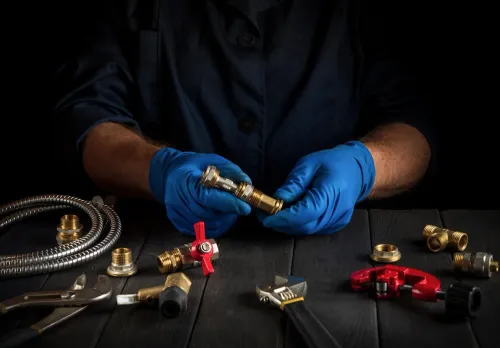
- Confirm that the replacement is rated for high-pressure natural gas and for the temperature range of that specific component. A general-purpose rubber O-ring, petrol seal, or LPG seal is not automatically safe for CNG.
- Compare the new part with the removed seal before installation. A different thickness, inner diameter, profile, or material can prevent the joint from seating and create another leak.
- Replace a flattened or damaged gasket; do not reuse it. Never stack two gaskets to fill a gap.
- Do not apply thread tape to a connection designed to seal with a gasket. Avoid liquid sealant or adhesive unless the component manufacturer specifically permits it.
These shortcuts can cause leaks, restrict gas flow, contaminate a regulator or injector rail, deform the seal, damage threads, or stop the joint from seating correctly.
A cng gaskit sealing service Pune should identify the exact failed connection and provide the replacement specification or part number, rather than offer one generic gasket for every CNG joint.
What proper gaskit replacement involves on a new or existing CNG kit
For a new cng gaskit installation, use the manufacturer-specified sealing ring or gasket, not thread tape, liquid sealant, or adhesive unless the component maker permits it. Align the mating faces, tighten in the specified sequence and torque, and keep dirt or sealant out of the gas path.
For an existing kit, proper replacement follows a controlled procedure:
- Confirm the leak location and isolate the relevant high- or low-pressure circuit.
- Depressurize the line using the approved procedure; never loosen a pressurized joint.
- Remove the joint without scratching or deforming its sealing faces.
- Inspect for scratches, corrosion, distortion, damaged threads, misalignment, and vibration-related movement.
- Fit the correct new seal, then tighten with the manufacturer’s torque specification rather than by feel.
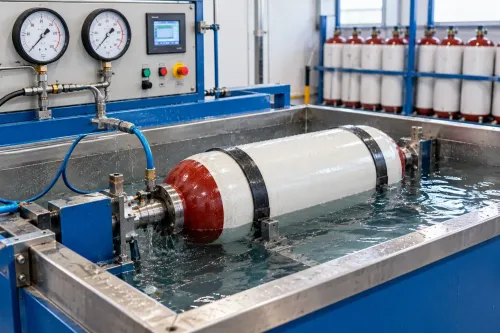
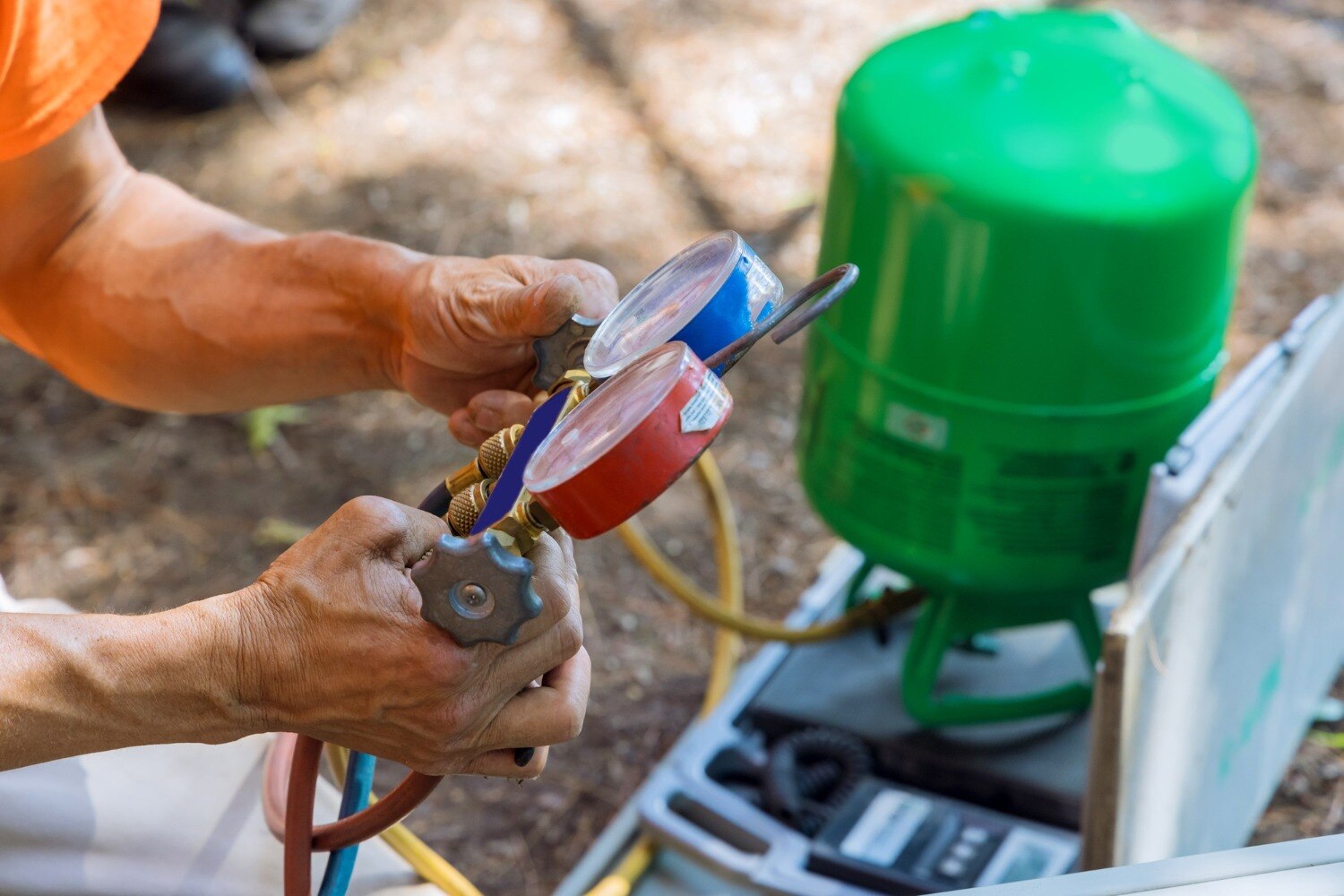
After reassembly, pressurize the system and check accessible joints with an approved leak-detection solution or use an electronic combustible-gas detector. Bubbles or a detector alarm require correction, not concealment.
The final check must cover hose routing, rubbing or kinks, clamps, supports, regulator pressure, and changeover from petrol to CNG. Confirm that the engine does not stall and that no gas-trim fault appears.
If the replacement fails again, investigate vibration, heat, contamination, a damaged groove, a non-approved adapter, or abnormal regulator pressure instead of repeatedly fitting seals.
How to choose a CNG seal service and verify the work
A genuine CNG seal service identifies the failed joint, isolates and depressurizes the circuit, fits the correct seal, and records the leak test. A shop that only tightens a fitting or sells a generic gasket cannot prove that the underlying fault was repaired.
| Facility check | What to ask for | Warning sign |
|---|---|---|
| Exact diagnosis | Failed location and whether it is on the high-pressure or low-pressure side | “Gas leak fixed” with no component named |
| Replacement part | Manufacturer specification, material, size, or part number | Universal gasket, stacked seals, or unapproved thread tape |
| Technician and equipment | Authorization for your vehicle kit and confirmation that the retrofit equipment is type-approved | No kit-specific documentation |
| Verification | Post-repair leak-test method and result, plus hose, fitting, and regulator checks | No written test result |
| Job record | Work completed and parts used | Verbal assurance only |
For cng gaskit replacement in Pimpri Chinchwad, ask these questions before approving the job. The same checklist applies when comparing a cng kit sealing service pune provider with a general garage. Balaji Hydrotesting Lab is one facility to consider for kit service or installation, but confirm that it handles your exact kit and connection.
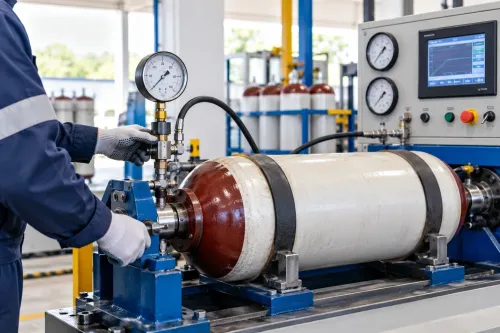
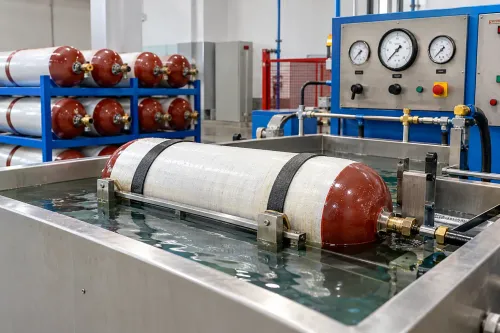
Gasket replacement is not cylinder hydrotesting. A testing facility must record the cylinder identification, test result, test date, and next due date. A seal repair cannot extend an expired test date or validate a cylinder with damaged, corroded, or illegible markings.
If the same gasket fails again, demand an investigation into vibration, heat, torque, contamination, damaged grooves, non-approved adapters, or abnormal regulator pressure. Replacing it repeatedly can hide a component fault.
Related products
 | CNG Kit Installation Balaji Hydrotesting Lab in Pimpri Chinchwad also provides seamless and expert CNG kit installations, transforming vehicles for eco-friendly and... View product → |
 | Cng Kit Service & Repairing Balaji Hydrotesting Lab in Pimpri Chinchwad is a government-authorized CNG Hydrotesting Lab in Pune, doing all types of Cng Kit Services & Repairing... View product → |
Frequently asked questions
What does a CNG gaskit seal?
A CNG gaskit seals the joint between components such as a regulator, injector rail, filling connection, shut-off valve, pressure-reducing assembly, or tube connection. The leak location identifies which joint and replacement part require inspection.
When does a CNG seal problem require immediate inspection?
Arrange immediate inspection if you smell gas, hear hissing, notice a pressure drop, see frosting near a connection, or detect a leak after refuelling or servicing. Do not operate the vehicle until the system has been checked.
How do I identify the correct replacement CNG gaskit?
Match the gasket to the exact connection, component manufacturer, kit design, dimensions, sealing material, and gas-service rating. Do not choose a part by appearance alone or reuse a flattened, cut, hardened, or damaged gasket.
What happens during proper CNG gaskit replacement?
A qualified technician isolates the gas system, removes the joint safely, inspects the mating surfaces and threads, fits the specified gasket without damage, tightens the connection correctly, and performs a leak inspection before returning the vehicle to service.
How can I verify a CNG sealing service?
Ask for the inspection findings, replacement-part details, leak-test result, service invoice, and updated CNG kit records. Confirm that the technician checked the repaired joint and nearby connections rather than simply masking the symptom.
Keywords